Pixel Display: A Unique Hybrid Typeface Review
If you are looking for a typeface that bridges the gap between retro digital aesthetics and modern organic design, Pixel Display free download options are worth exploring immediately. This hybrid font brings a distinct character to any project by merging the blocky structure of low-resolution graphics with the irregular charm of hand-drawn lettering. For designers seeking a Pixel Display font download, this resource offers a versatile solution for projects requiring immediate visual impact without sacrificing typographic integrity.
In the crowded market of premium Display fonts, Pixel Display stands out by refusing to be purely one or the other. It is not just a rigid monospaced grid, nor is it a chaotic scribble. Instead, it offers a balanced approach that appeals to both minimalist and maximalist design sensibilities. Whether you need to download Pixel Display font free for a personal experiment or purchase a commercial license for a client campaign, understanding its unique positioning is crucial for effective application.
Design & Style Analysis
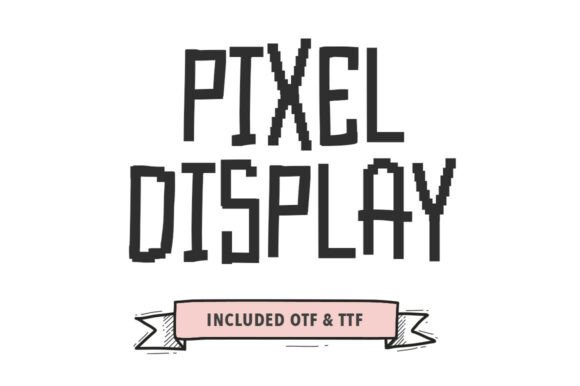
The visual personality of Pixel Display is defined by its tension between order and chaos. The letters maintain a consistent baseline and x-height, providing the stability expected in professional typography, yet the edges remain intentionally rough. This creates a tactile feel, as if the letters were stamped onto a surface rather than rendered digitally. Below, we break down the specific elements that contribute to its appeal.
Letterforms and Structure
The core strength of this font lies in its letterforms. Each character retains the geometric logic of pixel art but softens the corners with subtle variations. This prevents the text from feeling too cold or mechanical. When compared to other best Display fonts for use case scenarios involving technology themes, Pixel Display feels more human. It avoids the cliché of overused "glitch" fonts by relying on structural irregularity rather than digital distortion effects.
Weight and Spacing
Typically available in a bold weight, Pixel Display commands attention. The heavy stroke width ensures legibility even at smaller sizes, though it is best utilized for headlines. The spacing (tracking) is slightly generous, allowing the irregular shapes to breathe. This natural airiness prevents the text from clumping together, a common issue with dense display typefaces. Designers should note that the variable nature of the strokes means kerning may require manual adjustment in complex layouts.
Best Uses for Pixel Display
Understanding where to apply this typeface is just as important as knowing how to style it. Pixel Display is highly adaptable, making it suitable for a wide range of industries. Here are some of the most effective applications for this unique font.
Pixel Display for Logo Design
One of the strongest attributes of this font is its suitability for branding. Its distinctive shape allows for instant recognition. Brands targeting youth demographics, gaming companies, or creative agencies often find value in using Pixel Display for logo design. The combination of nostalgia and modernity helps establish a brand identity that feels both established and innovative.
Pixel Display for Branding
Beyond the logo itself, consistency across brand assets is key. Using Pixel Display for branding materials such as business cards, letterheads, and social media banners creates a cohesive visual language. The font’s bold presence ensures that brand messages are not lost in noise. It works particularly well for brands that want to communicate creativity and technical proficiency simultaneously.
Pixel Display for Posters and Social Media
In the fast-paced world of digital marketing, static images need to stop the scroll. Pixel Display for posters/social media/packaging is an excellent choice because of its high contrast against various backgrounds. Whether used for event flyers, album covers, or product packaging, the font’s texture adds depth to flat designs. It pairs exceptionally well with vibrant colors or stark black-and-white compositions.
Pixel Display for Wedding Invitations
While traditionally reserved for tech, Pixel Display for wedding invitations/cards/typography has found a niche among modern couples. For non-traditional weddings or destination events with a retro theme, this font adds a playful touch. It breaks away from the typical script-heavy invitation landscape, offering a fresh alternative that still feels celebratory.
Font Pairing & Combinations
No font exists in isolation. To maximize the effectiveness of Pixel Display, selecting the right companion typeface is essential. The goal is to balance its bold, irregular nature with something stable and readable.
When asking what fonts pair well with Pixel Display, the answer usually leans towards clean, neutral sans-serifs or classic serifs. Because Pixel Display is visually "noisy," pairing it with a quiet body font creates a harmonious hierarchy.
For a modern look, consider pairing Pixel Display with a geometric sans-serif like Montserrat or Futura. This combination works beautifully for website headers and UI elements. Alternatively, for a more editorial feel, a serif like Garamond or Playfair Display can provide elegant contrast. The Pixel Display font pairing strategy here relies on juxtaposition: letting the display font shine while the secondary font handles the heavy lifting of readability.
Licensing & Commercial Use
Before implementing any typeface into a project, clarifying the legal terms is mandatory. Many designers wonder, is Pixel Display free for commercial use? The answer depends entirely on your intended usage and the source from which you acquired the font.
Generally, fonts labeled as "free" often come with restrictions. You must verify the Pixel Display font license carefully. Typically, a free version may allow for personal use only, meaning you can use it for mockups, personal blogs, or non-profit projects. However, for commercial use—such as client work, merchandise sales, or advertising—you will likely need to purchase a commercial license.
Always check the specific terms provided by the distributor. Some creators offer a font bundle or font pack that includes multiple licenses, which can be cost-effective for agencies. Understanding the difference between free for commercial use and restricted personal licenses protects you from potential legal issues and respects the designer's intellectual property.
How to Download & Use Pixel Display
Acquiring and installing Pixel Display is straightforward, but knowing where to look ensures you get a safe, high-quality file. If you are searching for a Pixel Display free download, reputable platforms like DaFont, FontSquirrel, or CreativeFabrica are good starting points. Always verify the file format (.ttf or .otf) before downloading.
Once installed, integrating the font into your workflow is easy. Learning how to use Pixel Display in Canva/Word/Photoshop varies slightly by platform. In Photoshop, simply select the tool and choose Pixel Display from the dropdown menu. In Canva, upload the font file directly to your brand kit if it is not already in the public library. For Microsoft Word, install the font system-wide, and it will appear automatically in the font list.
Designer Notes & Tips
To get the most out of Pixel Display, keep these practical tips in mind during your design process. First, always test your design in black and white. This helps you evaluate the true shape and weight of the letters without the distraction of color. Second, check small-size readability. While it is a display font, extremely small text may become illegible due to its irregular edges.
Finally, consider the context when choosing this over alternatives. When evaluating Pixel Display vs similar font options, remember that Pixel Display offers a more organic feel than standard pixel fonts. It is less rigid and more expressive. By following these guidelines, you can ensure that your use of Pixel Display enhances your project rather than distracting from it.