Gridline Display Typeface Review for Crafters and Makers
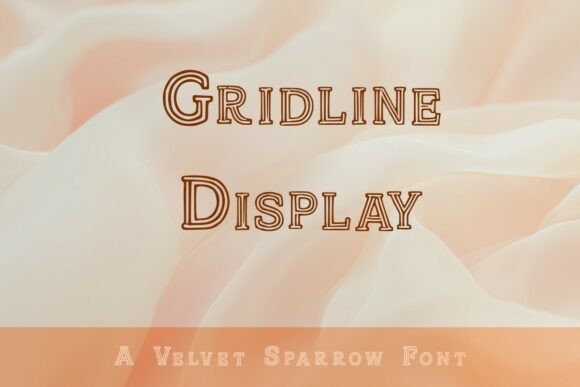
I was staring at a blank Canva canvas at 10 PM, trying to design a minimalist label for my new soy candle line, when I realized that standard sans-serifs just felt too corporate. I needed something with structure but also a bit of breath. That’s when I pulled up Gridline Display, a decorative outline display font with a structured, technical feel. Its double-line construction creates an open, hollow appearance that works especially well for layered designs. After spending the next few hours testing it on mockups for stickers, packaging, and digital templates, I’m convinced this is one of those hidden gems that can elevate a handmade brand from amateur to professional.
Gridline Display for Candle Labels and Boutique Packaging
When you are designing product labels, visual hierarchy is everything. Gridline Display immediately catches the eye because of its unique architectural skeleton. In my test run for a set of artisanal soap bars, I used the main weight for the product name and found that the hollow nature of the letters allowed background textures—like subtle linen patterns or watercolor washes—to peek through without making the text unreadable. This is where the font truly shines as a premium font choice for physical goods.
The technical feel of Gridline Display lends itself perfectly to modern, clean aesthetics. It doesn’t scream “handmade” in a messy way; instead, it whispers “curated.” For boutique tags attached to jewelry or clothing, using Gridline Display adds a layer of sophistication. The double-line construction ensures that even if you print on textured paper, the outline remains distinct. However, keep in mind that because it is a display font, it is best reserved for short phrases, names, titles, or decorative wording rather than long descriptions. If you are printing small product tags, ensure your file resolution is high enough so those delicate inner lines don’t disappear during the cutting or printing process.
Gridline Display for Wedding Invitations and Elegant Branding
Stationery designers often struggle to find fonts that feel formal yet contemporary. Gridline Display bridges that gap beautifully. I tested this typeface on a wedding welcome board mockup, pairing it with a classic serif font for the body text. The contrast between the rigid, grid-like structure of Gridline Display and the organic flow of a traditional serif created a stunning editorial design look. The open, hollow appearance allows for creative negative space usage, which is crucial for elegant branding where whitespace is a luxury.
For wedding stationery, consistency is key. Using Gridline Display for the couple’s names or the event title establishes a strong brand identity before the guest even opens the envelope. It works exceptionally well for layered designs, such as placing a solid color block behind the outlined text to make it pop against a busy floral background. When preparing these files for print, remember that Gridline Display is not suitable for dense label information or technical product instructions. Keep the typography bold and clear, letting the font do the heavy lifting for the headline while simpler fonts handle the details like dates and addresses.
Gridline Display for Digital Downloads and Printable Wall Art
As a creator of printable wall art and planner pages, I know that digital assets need to be versatile. Gridline Display offers incredible versatility for digital products. I designed a series of motivational quotes for Instagram and Pinterest using this font, and the results were striking. The geometric precision gives the text a modern typography vibe that performs very well on social media graphics, where users scroll quickly. The outline style reduces ink usage if someone chooses to print it themselves, which is a nice bonus for eco-conscious buyers.
However, readability is paramount in digital downloads. While Gridline Display is beautiful, it requires careful spacing. When creating SVG-style designs for Cricut or Silhouette users, always check the kerning and tracking. Tight spacing can cause the inner lines of the letters to merge, ruining the clean aesthetic. I recommend providing multiple file formats in your download package, including high-resolution PNGs for immediate use and scalable vector files for crafters who want to resize the design without losing quality. Also, verify multilingual support if you plan to sell globally; some decorative fonts lack extended character sets needed for accented languages.
Gridline Display for Merchandise and Seasonal Crafts
Bringing Gridline Display onto physical merchandise like tote bags, mugs, and shirts requires attention to production methods. For screen printing or vinyl cutting, the double-line construction can be tricky. If the cut lines are too close together, the material might tear or the vinyl might not adhere properly. I found that increasing the stroke width slightly or adding a slight offset shadow helped maintain integrity when transferring the design to fabric. The structured, technical feel of the font pairs wonderfully with industrial or farmhouse aesthetics, making it a great choice for seasonal products like holiday tags or back-to-school supplies.
When designing for merchandise, consider how the font interacts with other elements. Gridline Display looks fantastic when paired with a simple sans serif font for secondary information, creating a balanced composition. It also complements handwritten fonts surprisingly well, offering a contrast between human touch and mechanical precision. Just avoid using it for long paragraphs of text, as the decorative nature can become fatiguing to read. Reserve it for impact areas: logos, headers, and focal points.
Practical Tips for Using Gridline Display in Your Shop
- Check File Formats: Ensure you have both vector (AI, EPS, SVG) and raster (PNG, JPG) versions for maximum flexibility across different platforms.
- Test Print Quality: Always print a sample on the actual material you intend to use. Paper texture and fabric weave can affect how thin lines render.
- Licensing Matters: Before selling physical products, templates, or digital downloads, review the commercial font licensing agreement. Some display fonts have restrictions on the number of items you can produce or require specific attribution.
- Pairing Strategy: Use Gridline Display as the hero font. Pair it with clean, neutral typefaces to let its structural beauty stand out without competition.
- Scalability Test: Zoom out to see how the font looks at thumbnail size. If the double lines blur into a solid mass, consider simplifying the design or choosing a heavier weight.
In conclusion, Gridline Display is more than just a pretty typeface; it is a strategic tool for makers who want to communicate quality and modernity. Whether you are labeling candles, designing wedding invites, or creating digital assets, this font adds a layer of intentional design that customers notice. By respecting its limitations and leveraging its strengths, you can create cohesive, professional-looking brands that stand out in a crowded marketplace.