Bold Military Typeface: A Designer’s Guide to Strong Display Typography
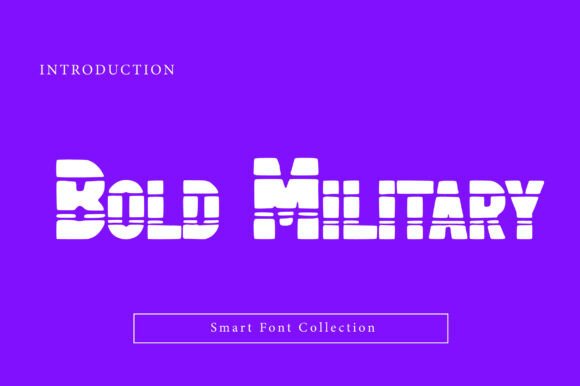
I was staring at a blank hero section on a new client’s landing page, trying to find the right visual anchor. The brand was launching a high-end tactical gear store, and the existing typography felt too soft, too corporate, and frankly, not tough enough for the product. That was the moment I decided to test Bold Military. It is a strong, tough, and authoritative display typeface inspired by military stencils and army-style typography. The font features thick, bold strokes with solid structure that convey power immediately. Within minutes of dragging it into Figma, the entire layout shifted from generic to commanding. If you are a web designer or digital creator looking to inject serious weight and authority into your layouts, understanding how to use this specific style of Fonts can transform your user interface.
Bold Military for Tactical Brand Identity and Hero Headers
When we talk about Bold Military, we are talking about a font that demands attention without asking for permission. In my recent project for a boutique outdoor equipment retailer, I needed a headline that would stop the scroll. Standard sans-serifs were blending into the background noise of the web. By applying Bold Military to the main H1 tag in the hero section, the text didn’t just sit there; it punched through the image overlay. This Display typeface works exceptionally well for brands that want to communicate durability, precision, and strength. Whether you are designing for a fitness coaching platform, a rugged apparel line, or a security service provider, the visual language of stencil lettering taps into deep psychological cues of reliability and order. The thick strokes ensure that even against complex backgrounds, the message remains legible and impactful, establishing an immediate tone of professionalism and grit.
Bold Military Readability on Mobile and Responsive Layouts
One of the first things I check when testing any heavy Fonts is their behavior on smaller screens. Display fonts often suffer from pixelation or cramped spacing when scaled down, but Bold Military holds up surprisingly well due to its geometric simplicity. During my responsive design audit, I noticed that the wide spacing inherent in stencil designs actually aids readability on mobile devices. The gaps between the letters allow the eye to parse the word shapes quickly, which is crucial for users scanning content on a phone. However, I learned the hard way that using this font for body copy is a mistake. Its sheer mass creates too much visual noise for long paragraphs. Instead, I reserved Bold Military for short phrases, section headers, and call-to-action buttons. For the supporting text, I paired it with a clean, neutral sans serif font. This contrast ensures that while the headlines grab attention, the actual information remains easy to read, maintaining a healthy balance between aesthetic impact and user experience (UX).
Bold Military Pairing Strategies for Modern Web Design
Integrating Bold Military into a cohesive design system requires careful consideration of font pairing. Because this typeface is so dominant, it acts as the "star" of the show, leaving little room for competition. In a recent portfolio redesign, I paired it with a lightweight, humanist sans serif for the body text. The juxtaposition of the heavy, industrial military aesthetic against the light, airy readability of the body copy created a sophisticated editorial feel. This combination works because the two fonts occupy different visual territories. You might also consider pairing it with a classic serif font if you are aiming for a more historical or heritage brand vibe. The key is to let Bold Military handle the emotional heavy lifting—conveying strength and authority—while the secondary font handles the informational load. This strategy prevents the design from feeling overwhelming and ensures that the visitor’s journey through the page feels smooth and guided rather than aggressive.
Bold Military for Call-to-Action Buttons and Interactive Elements
In e-commerce and course sales pages, the call-to-action (CTA) is the most critical element. I experimented with using Bold Military for primary buttons on a digital product launch page. The result was striking. The font’s blocky, stencil-like appearance gave the button a sense of solidity and importance. Users intuitively understand that bold, structured text indicates stability and trustworthiness. When placed on a contrasting background, such as a dark navy or a muted earth tone, the white or bright-colored text popped with incredible clarity. However, I had to be mindful of the button size. Due to the thickness of the strokes, very small buttons caused the letters to merge visually, creating a blob rather than readable text. Therefore, I established a minimum width for CTA elements when using this Display font. This constraint forced me to design larger, more prominent interactive areas, which ultimately improved the overall click-through rate simply by making the action clearer and more inviting.
Bold Military Licensing and Technical Implementation for Digital Products
Before dropping Bold Military into a production environment, I always review the technical specifications and licensing terms. As a digital product creator, I need to know if the font supports the character sets required for my international audience. Checking for multilingual support is essential, especially if the brand targets diverse markets. Additionally, verifying the inclusion of webfont formats like WOFF2 ensures fast loading times and optimal rendering across browsers. The file package typically includes various weights and alternates, which adds versatility to the design toolkit. Using alternate characters can break up repetitive text patterns in large headings, adding a custom touch that elevates the perceived quality of the site. Furthermore, commercial licensing is a non-negotiable step. Ensuring that the license covers web usage, app embedding, and potentially print collateral protects both the designer and the client from legal issues. Taking the time to properly implement these Fonts with correct formatting and legal clearance results in a polished, professional final product that stands the test of time.
Bold Military for Social Media Graphics and Promotional Banners
The utility of Bold Military extends beyond the website itself. In today’s omnichannel marketing landscape, consistency across platforms is vital. I used the same typeface for social media graphics, email headers, and promotional banners to create a unified brand identity. The stencil aesthetic translates beautifully to static images and video thumbnails. On Instagram or LinkedIn, where users scroll rapidly, the heavy weight of the font cuts through the clutter. It signals that the content inside is substantial and worth stopping for. When designing these assets, I kept the text minimal, allowing the typography to serve as the primary graphic element. This approach reduces the need for excessive imagery and speeds up load times for digital ads. The authoritative nature of the font builds trust with the viewer, suggesting that the brand behind the message is established and confident. Integrating Bold Military into your broader design assets ensures that every touchpoint reinforces the same powerful narrative.