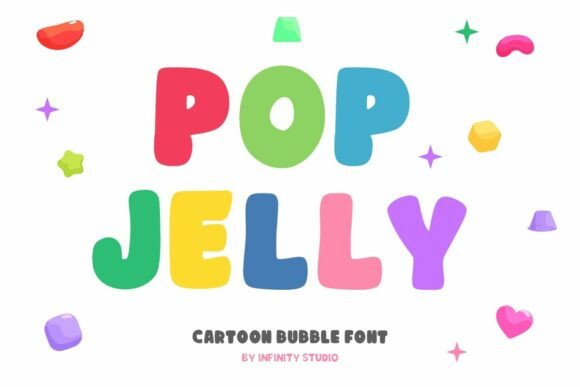
Pop Jelly: A Bold Cartoon Display Font for Joyful Editorial Design
I was staring at a blank canvas, trying to design the cover for a digital wellness workbook, when I realized that my usual go-to typefaces felt too serious. The project was meant to be uplifting, approachable, and full of energy, but every serif and sans-serif option I tested felt cold or corporate. That was the moment I decided to search for a cartoon and friendly font, that conveys impeccable joy. I found Pop Jelly, a bold and bubbly cartoon-style display font designed to bring fun, joy, and energy to your creative projects. It wasn’t just a stylistic choice; it became the heartbeat of the entire layout.
In the world of editorial design, choosing the right display fonts can make or break a reader’s first impression. When you are building a brand identity for a lifestyle blog, a printable planner, or a coaching course, the typography needs to do more than just convey information—it needs to set the mood. Pop Jelly does exactly that. It transforms static text into a visual experience that invites the reader in with a smile. Here is how I integrated this unique typeface into a real-world content layout and why it might be the missing piece in your own design toolkit.
Using Pop Jelly for Lifestyle Blog Headers and Social Media Graphics
When redesigning the header for a personal lifestyle blog, the goal was to create an immediate sense of warmth and community. Most bloggers rely on clean, minimal sans serifs for headers, but that often leads to a homogenized look across platforms. By introducing Pop Jelly as the primary headline font, the blog instantly gained a distinct personality. The rounded terminals and generous x-height of the letters give it a soft, approachable feel that resonates well with audiences looking for connection rather than just information.
This font shines brightest in contexts where attention spans are short, such as social media graphics and newsletter headers. Because it is a bold and expressive display typeface, it commands attention without shouting. I used it for the main title of a weekly digest, pairing it with a simple, legible sans serif for the body copy. The contrast created a clear visual hierarchy. Readers could scan the page, catch the eye-catching headline, and then settle into the comfortable reading experience provided by the secondary font. This combination ensures that while the brand voice is fun and energetic, the actual content remains easy to consume on mobile devices.
Pop Jelly for Printable Planners and Educational Worksheets
One of the most practical applications for this type of playful typography is in the realm of digital products, specifically printable planners and educational worksheets. When creating materials for students or busy professionals, clarity is key, but monotony can be disengaging. Using Pop Jelly for section headers, task titles, or motivational quotes adds a layer of psychological comfort to the user experience. It subtly signals that the task ahead is manageable and even enjoyable.
I experimented with using this font for chapter openers in a downloadable PDF guide. The bubbly nature of the characters breaks up the wall of text effectively, guiding the eye through the document. However, there are important readability considerations to keep in mind. While Pop Jelly is excellent for short bursts of text, it is not suitable for long-form body copy. The irregular shapes and heavy weight can cause eye fatigue if read in large paragraphs. Instead, use it for emphasis—like pull quotes, call-out boxes, or introductory statements. This strategic placement maximizes its impact while maintaining the professional standards expected in educational publishing.
Pairing Pop Jelly with Serif Fonts for Elegant Branding Projects
A common misconception about cartoon-style fonts is that they cannot be paired with more traditional typefaces. In reality, good font pairing relies on contrast. To balance the high-energy vibe of Pop Jelly, I chose a classic serif font for the supporting text in a wedding guide template. The juxtaposition of the whimsical, modern display font against the timeless elegance of a serif creates a sophisticated yet playful aesthetic. This combination works exceptionally well for brands that want to appear friendly but also trustworthy and established.
For instance, in a digital magazine layout, using Pop Jelly for the issue number or the main feature story title allows the content to stand out. Meanwhile, the article body, written in a highly readable serif, ensures that the reader stays engaged with the narrative. This duality is crucial for editorial design. It allows creators to express their unique voice through headlines while respecting the reader’s need for comfort during extended reading sessions. The result is a publication that feels curated, intentional, and visually harmonious.
Considerations for Commercial Licensing and File Formats
Before integrating any new fonts into a commercial product, it is essential to review the licensing terms. For designers selling ebooks, templates, or printables, understanding whether the license covers commercial distribution is vital. Pop Jelly offers a versatile set of glyphs that support various languages, making it a strong candidate for international audiences. However, always verify the specific file formats included in the download package. Standard formats like OTF and TTF ensure compatibility with major design software, allowing for seamless integration into your workflow.
Additionally, check for available styles, alternates, and ligatures. Some display fonts include special characters or decorative elements that can enhance specific design elements, such as bullet points or icons. These small details contribute to the overall polish of your design assets. By carefully selecting and implementing Pop Jelly within the bounds of its license, you protect your work while leveraging a premium typeface that elevates your brand identity. Whether you are designing a logo, packaging, or a web interface, this font provides the perfect blend of fun and functionality.
Why Pop Jelly Enhances Modern Digital Content Strategy
In an era where digital content is saturated, standing out requires more than just good writing—it requires thoughtful design. Pop Jelly serves as a powerful tool for content creators who want to inject personality into their digital presence. Its ability to convey joy and energy makes it ideal for brands focused on wellness, creativity, education, and family. By adopting a creative font that aligns with your brand values, you create a consistent visual language that audiences recognize and remember.
The decision to use Pop Jelly is not just about aesthetics; it is about emotional connection. When a reader encounters a typeface that feels friendly and inviting, they are more likely to engage with the content. This engagement translates to higher retention rates, more shares, and a stronger community around your brand. As you plan your next editorial project, consider how typography can tell your story before a single word is read. With the right display font, you can turn ordinary text into an extraordinary experience.