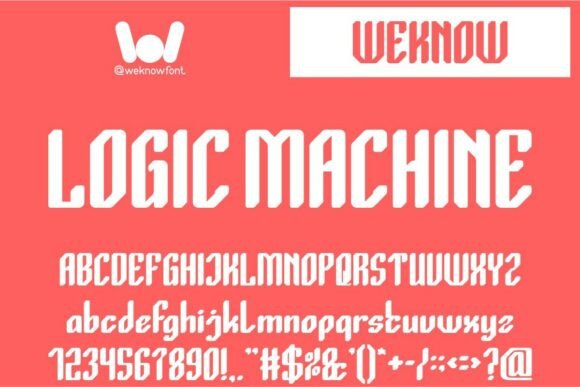
Logic Machine Typeface for Futuristic Web Design
I was staring at a blank Figma file at 2 AM, trying to break the monotony of yet another minimalist sans-serif layout. The client wanted a "futuristic" feel, but every standard geometric typeface felt too sterile, too corporate, and frankly, a bit boring. That’s when I stumbled across Logic Machine. It wasn’t just another font; it was an immediate mood shift. Introducing Logic Machine, a typeface that embodies a harmonious blend of techno and sci-fi themes with a modern gothic flair. This black letter hybrid font is the epitome of all things futuristic. Peaking my interest immediately, I decided to run a quick test on a landing page header to see if this display font could hold up in a real-world digital environment without sacrificing readability or user experience.
Testing Logic Machine in Hero Sections for Digital Branding
The first thing I noticed about Logic Machine is its sheer presence. When I dropped it into the hero section of a hypothetical coaching website, it didn’t just sit there; it commanded attention. As a display font, it is designed to be seen, not read in paragraphs. The sharp angles and intricate details give it a cyberpunk edge that feels incredibly relevant for tech startups, gaming portfolios, or avant-garde fashion e-commerce stores. However, using such a strong character requires restraint. I found that keeping the text short—just a headline or a tagline—allowed the font to breathe. If you try to use Logic Machine for long-form body copy, your users will bounce faster than you can say "high bounce rate." The key is to let this font act as the visual hook, drawing the eye in before transitioning to something more legible for the actual content.
Readability Challenges on Mobile Devices
One of the biggest hurdles with decorative fonts like Logic Machine is responsiveness. On a large desktop monitor, the intricate details of the black letter hybrid font are crisp and impressive. But when I scaled down the view to a mobile device, those fine lines started to blur together. This is a critical consideration for any web designer. For small screens, I reduced the font size significantly and increased the letter spacing (tracking) slightly to prevent the characters from merging into an illegible blob. If you are building a site where mobile traffic is dominant, consider using Logic Machine only for larger headlines on tablets and desktops, while switching to a simpler, high-contrast sans serif font for mobile headers. This ensures that your brand identity remains consistent without compromising the usability of the interface.
Pairing Logic Machine with Clean Sans Serif Fonts
A common mistake designers make is letting the headline do all the heavy lifting, leaving the body text to struggle under the weight of a complex visual hierarchy. To balance the aggressive nature of Logic Machine, I paired it with a clean, neutral sans serif font for the body copy. This contrast creates a sophisticated editorial design look that feels both modern and grounded. The simplicity of the body text allows the viewer’s eyes to rest after processing the intense energy of the heading. This pairing strategy works exceptionally well for product landing pages where you need to convey innovation through the title but clarity through the description. By mixing the futuristic aesthetic of the display font with the functional reliability of a standard web font, you create a balanced typographic system that guides the user naturally through the content.
Enhancing Visual Hierarchy with Weight Variations
If Logic Machine comes with multiple weights or styles, take full advantage of them. In my test project, I used the heaviest weight for the main headline to establish dominance, then switched to a lighter variant for subheadings. This subtle shift in weight helps create a clear visual hierarchy, telling the user what is most important. Without these variations, the entire page can feel visually flat or overwhelmingly loud. Using different weights also adds depth to the design, making the typography feel more three-dimensional and tactile. This technique is particularly effective for campaign landing pages where you want to emphasize specific value propositions or call-to-action phrases without resorting to excessive color changes or graphic overlays.
Using Logic Machine for E-Commerce and Portfolio Headers
I also tested Logic Machine on a boutique online store’s homepage banner. The juxtaposition of the gothic-inspired, futuristic font against soft, organic product photography created a striking contrast that felt fresh and unexpected. This kind of creative font usage can help a brand stand out in a crowded market. Similarly, for a digital creator’s portfolio, this typeface signals technical proficiency and artistic boldness. It suggests that the creator is not afraid to experiment and push boundaries. When used for section dividers or category labels within an online shop, it adds a layer of premium quality to the shopping experience. It transforms a simple list of products into a curated gallery, elevating the perceived value of the items being sold.
Strategic Placement in Call-to-Action Areas
While Logic Machine is primarily a headline font, I experimented with using it sparingly for button text or short calls to action. The result was mixed. While it looked cool, the complexity of the letters made the clickable area harder to scan quickly. Users expect buttons to be clear and direct. Therefore, I recommend reserving Logic Machine for decorative accents near CTAs rather than the button text itself. You might use it for the label above a button or as a background watermark behind the CTA area to add texture and depth. This approach maintains the futuristic vibe without confusing the user about where they should click. Usability should always trump aesthetics, especially in conversion-focused areas of a website.
Technical Considerations for Webfont Implementation
Before committing to Logic Machine for a client project, I checked the technical specifications carefully. Not all display fonts are optimized for web delivery. I looked for WOFF2 formats to ensure fast loading times, which is crucial for SEO and user retention. I also verified the character set to ensure multilingual support if the client needed to target international audiences. Additionally, I reviewed the commercial license to confirm that using the font on websites and digital assets was permitted. Some fonts require separate licenses for web embedding versus print materials. Ensuring compliance protects both the designer and the client from legal issues. Once the files were ready, I implemented them using CSS @font-face rules, setting up fallback fonts in case the custom type failed to load. This safety net ensures that the layout remains readable even if the primary font doesn’t render correctly.
Optimizing Performance with Selective Loading
To keep the site speed optimal, I considered loading Logic Machine only on pages where it was strictly necessary. Loading heavy display fonts on every single page can slow down the initial paint time, affecting the overall user experience. By selectively applying the font to key landing pages and portfolio showcases, I maintained a snappy performance profile while still delivering the desired aesthetic impact. This strategic approach to font loading demonstrates a mature understanding of web development constraints. It shows that you care not just about how the site looks, but how it performs. In today’s digital landscape, a beautiful site that loads slowly is a broken site. Balancing style with substance is the hallmark of professional web design.
Building a Cohesive Digital Identity with Display Fonts
Incorporating Logic Machine into a broader brand kit requires consistency. I ensured that the font was used alongside complementary colors and imagery that reinforced the techno-sci-fi theme. Cool tones like electric blues, deep purples, and stark blacks worked well to enhance the futuristic mood. The font became a central pillar of the visual identity, tying together various elements from social media graphics to email newsletters. When clients ask for a "modern" look, they often mean clean and minimal. But for brands aiming for "innovative" or "cutting-edge," a unique display font like Logic Machine provides the distinctive personality needed to cut through the noise. It transforms a generic template into a bespoke digital experience that resonates with the target audience.
Elevating Blog Graphics and Social Media Content
Beyond the website itself, I explored using Logic Machine for blog post headers and social media promotional images. The font’s bold structure translates well to square formats and vertical stories, making it versatile for platforms like Instagram and LinkedIn. It grabs attention in a scroll-heavy feed, encouraging users to stop and engage. However, I advised against using it for quotes or long captions within these graphics. Keeping the text minimal and impactful ensures that the message is conveyed quickly. This cross-platform consistency strengthens brand recognition, making the digital presence feel unified and professional. Whether it’s a course sales page or a personal blog, having a signature typeface adds a layer of polish that separates amateur projects from professional designs.