Dotshift Display Font for Modern Editorial Design
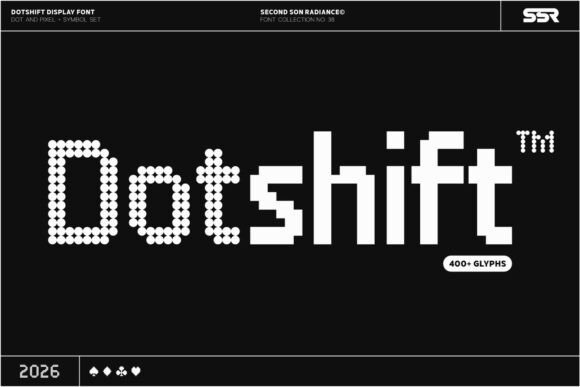
When curating a library of premium fonts for editorial projects, finding a typeface that balances retro aesthetics with modern utility is essential. Dotshift stands out as a versatile display font designed to capture attention through its unique dot and pixel style, making it an ideal choice for creators who want their content to feel both nostalgic and contemporary. This typeface lives up to its name by shifting visually from a soft dot matrix look to a sharper pixelated structure, offering designers a dynamic tool for headings, covers, and branding elements.
Why Dotshift Enhances Blog Headers and Digital Magazine Covers
In the crowded space of digital publishing, first impressions are made in milliseconds. Dotshift provides an immediate visual hook that distinguishes your publication from generic templates. As a display font, it is engineered for impact rather than body text, allowing editors to create bold headlines that command reader engagement without sacrificing legibility. The pixelated aesthetic evokes a sense of digital craftsmanship, which resonates particularly well with tech-savvy audiences, lifestyle bloggers, and creative agencies looking to establish a distinct brand identity.
Using Dotshift for magazine covers or blog post titles introduces a layer of visual texture that plain sans-serif or serif fonts often lack. The interplay between the dots and pixels creates a subtle rhythm that guides the eye across the headline. For newsletter writers and content creators, this means higher click-through rates on subject lines and featured images. The font’s ability to shift styles allows for consistent yet varied typography across different sections of a digital publication, keeping the layout fresh and engaging.
Dotshift for Ebook Titles and Printable Guide Branding
For ebook creators and course developers, the cover is the primary sales asset. A compelling title font can elevate a simple PDF into a professional-looking product. Dotshift offers a modern typography solution that works exceptionally well for chapter openers, section headings, and accent typography within long-form documents. Its multilingual support ensures that authors targeting global markets can maintain design consistency across different languages, including symbols and special characters that add character to the text.
When designing printable worksheets, planners, or lead magnets, clarity and style must coexist. While Dotshift should not be used for dense paragraphs due to its decorative nature, it excels at labeling key sections, highlighting call-out boxes, or creating custom icons using its included symbols. The font’s structural integrity holds up well in high-resolution print exports, ensuring that the dot patterns remain crisp and do not blur when converted to PDFs or physical copies. This makes it a reliable commercial font for designers selling digital products on platforms like Etsy or Gumroad.
Integrating Dotshift into Newsletter Graphics and Social Media
Content creators often struggle to maintain a cohesive visual tone across email newsletters and social media graphics. Dotshift serves as a unifying element in these design assets. By applying the font to pull quotes, date stamps, or author bylines, you create a recognizable pattern that subscribers begin to associate with your brand. The pixel style lends itself naturally to digital interfaces, making it a perfect match for web design elements such as navigation bars, buttons, or hero banners.
The inclusion of various weights and styles within the Dotshift family allows for nuanced hierarchy. You might use a heavier weight for main headlines and a lighter, more spaced-out version for subtitles or captions. This variation helps break up large blocks of text and improves readability on mobile devices, where screen real estate is limited. Additionally, the font’s ability to incorporate symbols means you can replace standard bullet points or dividers with stylized pixel elements, adding a touch of creativity without cluttering the layout.
Font Pairing Strategies for Editorial Layouts
To maximize the effectiveness of Dotshift, it is crucial to pair it with complementary typefaces that provide stability and readability. Since Dotshift is a display font with a strong personality, it pairs best with clean, neutral fonts for body copy. A classic serif font can create a sophisticated contrast, grounding the playful pixel aesthetic with traditional elegance—ideal for literary magazines or high-end fashion blogs. Alternatively, pairing Dotshift with a geometric sans serif font reinforces the modern, digital vibe, suitable for tech news, startup newsletters, or minimalist portfolio sites.
When selecting a secondary font, consider x-height and weight compatibility. A highly readable sans serif font with a large x-height will ensure that the body text remains accessible even when placed next to the intricate details of Dotshift. This combination supports visual hierarchy by clearly distinguishing between attention-grabbing headlines and informative content. Designers should also explore how the font behaves in all-caps versus title case; often, setting Dotshift in uppercase with wide letter spacing enhances its architectural quality, while lowercase settings may appear softer and more approachable.
Practical Considerations for Licensing and Usage
Before incorporating Dotshift into client publications or paid digital downloads, it is important to review the specific licensing terms associated with the font. Commercial licenses typically cover usage in ebooks, templates, printables, and online courses, but restrictions may apply regarding resale as a standalone font file. Understanding these boundaries protects your business and respects the creator’s intellectual property.
Furthermore, testing the font across different mediums is a best practice. Check how the dot patterns render on low-resolution screens or when scaled down for favicons and small badges. In some cases, the pixel effect may become too fine to discern, so adjusting the font size or weight may be necessary. By paying attention to these technical details, you ensure that Dotshift delivers its intended visual impact consistently, whether viewed on a desktop monitor, a tablet, or printed on paper.
Finalizing Your Typography System with Dotshift
Ultimately, the goal of any editorial design is to facilitate communication while enhancing aesthetic pleasure. Dotshift achieves this by offering a distinctive voice that cuts through the noise of standard web fonts. Whether you are designing a wedding guide, a coaching workbook, or a digital zine, this display font adds a layer of intentional design that signals quality and care. By leveraging its multilingual capabilities, symbol sets, and shifting pixel-dots aesthetic, creators can build a robust brand identity that feels both timeless and forward-thinking. Integrating Dotshift into your workflow allows for greater creative expression, turning ordinary layouts into memorable visual experiences that resonate with readers and drive engagement.