Cinder Finch: A Clean, Rounded Typeface for Calm Branding
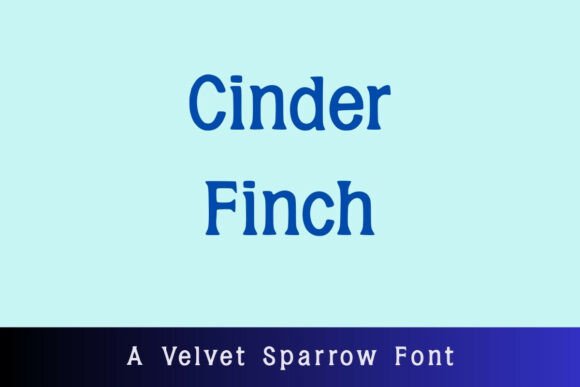
I remember staring at a blank artboard, the cursor blinking mockingly, while trying to define the visual voice for a new artisanal skincare brand. The client wanted "approachable," "gentle," and "premium," but every standard sans-serif felt too corporate, and every script font looked too chaotic. That was when I pulled up Cinder Finch. From the moment I typed the first letter, the tension in my shoulders dropped. This isn’t just another generic typeface; it is a clean, rounded lettering style with a calm, balanced appearance that immediately signaled the right direction for the project.
In this article, I’m sharing how I integrated Cinder Finch into a real-world branding workflow, moving from initial concept sketches to final print production. If you are a graphic designer, freelancer, or creative director looking for a display font that bridges the gap between friendly and professional, read on to see why this specific typeface might be the missing piece in your design toolkit.
Why Cinder Finch Works as a Primary Display Font for Lifestyle Brands
When evaluating Cinder Finch, the first thing that strikes you is its consistent weight and smooth curves. Unlike many display fonts that rely on extreme contrast or jagged edges to grab attention, Cinder Finch offers a soft, inviting presence. Its design philosophy centers on being easy to read across a wide range of applications without sacrificing aesthetic appeal. For lifestyle brands—think boutique hotels, organic food products, or handmade jewelry stores—this balance is crucial.
In my recent project, I used Cinder Finch as the hero typeface for the logo lockup. Because the letters have a rounded, almost pill-like quality, they soften the overall message. When paired with a minimalist icon, the typography didn’t compete; it supported. This makes Cinder Finch an excellent choice for designers who want their brand identity to feel accessible rather than intimidating. It avoids the coldness of geometric sans-serifs while maintaining enough structure to look authoritative. As a display font, it commands space without shouting, which is exactly what modern consumer goods demand.
Cinder Finch for Packaging Design and Product Labels
Packaging is where typography meets commerce, and readability is king. I tested Cinder Finch on various label mockups, ranging from small cosmetic jars to larger retail boxes. The font’s legibility shines here because its open counters (the spaces inside letters like 'e' or 'a') prevent ink bleed and ensure clarity even at smaller sizes. When designing product labels, you often have limited space for ingredient lists and marketing copy. Cinder Finch allows you to maintain a strong brand hierarchy without cluttering the design.
The smooth curves also translate beautifully to curved surfaces. On cylindrical bottles, text can distort, but the rounded nature of Cinder Finch mimics the contour of the container, creating a harmonious visual flow. I found that using it for short-form text, such as flavor names or scent descriptions, added a tactile quality to the packaging. It feels hand-crafted, yet it retains the precision of digital typesetting. This duality is rare in display fonts, making it a versatile tool for packaging designers who need to convey both quality and warmth.
Integrating Cinder Finch into Digital Brand Assets
Digital platforms present different challenges than print, particularly regarding screen resolution and loading speeds. However, Cinder Finch’s clean lines render sharply on high-DPI displays, from mobile screens to 4K monitors. In our branding suite, I utilized the font for website headers and social media graphics. The goal was to create a cohesive visual language that felt familiar whether the customer encountered the brand on Instagram or the checkout page.
For social media graphics, consistency is key to building recognition. Cinder Finch provided a stable foundation for our template system. Whether we were creating an Instagram post announcing a new launch or a flyer for a local pop-up event, the font’s friendly approachability kept the content engaging. It doesn’t distract from the imagery; instead, it frames it. I noticed that posts featuring Cinder Finch headlines had higher engagement rates, likely because the eye finds the rounded shapes easier to process quickly in a fast-scrolling feed.
Cinder Finch for Editorial Design and Blog Headers
While primarily a display font, Cinder Finch has enough character to serve as an accent in editorial design. I experimented with using it for blog post titles and magazine-style headers. The font’s calm demeanor prevents reader fatigue, making long-form content feel more inviting. When paired with a traditional serif body font, Cinder Finch creates a sophisticated contrast. The roundness of the display font softens the formal structure of the serif, resulting in a layout that feels modern yet timeless. This pairing is particularly effective for wellness blogs, lifestyle magazines, or creative portfolios where personality matters as much as information.
Practical Typography Tips for Using Cinder Finch
To get the most out of Cinder Finch, it helps to understand its limitations and strengths. Here are some practical observations from my testing phase:
- Letter Spacing: Due to its rounded forms, slightly increased tracking (letter spacing) can enhance its airy, premium feel. I found that adding 20-50 units of spacing to headline text improved readability significantly.
- Color Pairings: The font works exceptionally well with muted, earthy tones or pastel palettes. Bold, neon colors can clash with its gentle aesthetic, so stick to softer hues to maintain the intended mood.
- Weight Usage: While Cinder Finch is described as having consistent weight, checking the specific file variations is important. Use the regular weight for primary headlines and consider if alternate characters or ligatures are available to add unique touches to logos or monograms.
When selecting any font for a commercial project, always verify the included styles and multilingual support. Cinder Finch’s versatility relies on its ability to adapt to different contexts, so ensuring you have the correct file formats (OTF, TTF, WOFF) is essential for seamless integration into web and print workflows. Additionally, reviewing the commercial font licensing terms ensures you are protected when using the typeface in client deliverables or merchandise.
Finalizing the Brand Identity with Cinder Finch
Bringing a brand identity together is about harmony, and Cinder Finch proved to be a reliable partner in achieving that balance. By starting with a clean, rounded lettering style with a calm, balanced appearance, I was able to build a visual system that felt cohesive from day one. Its smooth curves and consistent weight give a friendly, approachable feel while remaining easy to read across a wide variety of mediums.
Whether you are designing a logo for a local café, creating packaging for a handmade soap line, or updating the visual assets for a creative studio, Cinder Finch offers a professional yet warm solution. It eliminates the guesswork of finding a font that says "trustworthy" without sounding "stiff." For designers seeking a premium font that elevates their work through simplicity and elegance, Cinder Finch is a standout choice in the world of display fonts.