Cair Typeface: A Charming Display Font for Handmade Goods
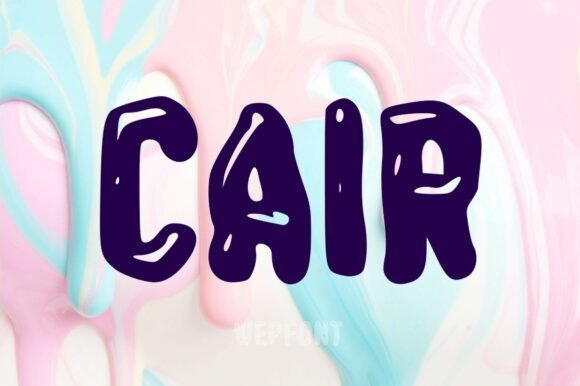
I was sitting at my desk late Tuesday night, surrounded by half-cut vinyl sheets and a mountain of sticker paper, trying to finalize the design for my new line of artisanal candle labels. I had the wax melting and the jars prepped, but the typography felt flat. It lacked that little something extra—the charm that makes a customer stop scrolling on Etsy and click "Add to Cart." That’s when I pulled up Cair, a display font that instantly transformed my mood and my mockups. It wasn’t just about picking a typeface; it was about finding a voice for my brand. Cair brought an irresistibly charming energy to the project, infusing cheerfulness into what was previously a mundane label design. If you are looking to elevate your handmade shop materials with a creative font that feels like a sweet treat, this is where the magic happens.
Cair for Candle Labels and Boutique Packaging Design
When designing product labels, the first impression is everything, and Cair excels in creating that initial hook. The font’s visual personality is reminiscent of sweet treats and creamy textures, which makes it an absolute dream for packaging design. I used Cair to draft the main title on my lavender honey candle labels, and the soft, rounded edges of the letters gave the product a cozy, inviting feel. Unlike harsh, geometric sans serif fonts that can feel too corporate or cold, Cair feels warm and approachable. This is crucial for small business owners who want their physical products to feel personal and crafted by hand. When customers see Cair on a boutique tag or a gift box, they perceive higher quality because the typography suggests care and attention to detail. For makers selling skincare, baked goods, or home decor, using a creative font like Cair helps bridge the gap between digital marketing images and the tangible joy of unboxing a product.
Cair in Wedding Invitations and Stationery Collections
Wedding stationery requires a delicate balance of elegance and personality, and Cair strikes that balance beautifully. I recently tested Cair for a set of rustic-chic wedding invitations, pairing it with a clean, minimalist background to let the letters breathe. The font’s display characteristics allow it to serve as a stunning focal point without overwhelming the reader. It works exceptionally well for names, dates, and venue details where you want to add a touch of amazement and delight. Because Cair is designed to infuse cheerfulness, it moves away from the stiff formality of traditional serif fonts while still maintaining enough structure to look professional. For invitation designers, this means you can offer clients a modern yet timeless option that stands out in a stack of mailers. Whether you are creating digital downloads for DIY brides or printing high-end physical suites, Cair adds a layer of emotional appeal that resonates with couples looking for a unique aesthetic.
Cair for Printable Wall Art and Digital Downloads
As a creator of digital printables, I know that listing images need to grab attention instantly. I’ve been using Cair extensively for my printable wall art collections, particularly for nursery decor and motivational quotes. The font’s ability to convey warmth and charm translates perfectly into digital formats. When I create mockups showing Cair on a gallery wall, the text looks crisp and engaging, even at smaller thumbnail sizes on marketplaces. This is vital for SEO and conversion rates; if the text is hard to read or visually unappealing, potential buyers will scroll past. I also use Cair for planner pages and journal covers, where the fun, sweet-treat vibe encourages users to engage with their planning tools more frequently. By offering designs with Cair, you provide value through aesthetics that make everyday tasks feel special. Remember to check the file formats and licensing before selling these digital assets to ensure you are compliant with commercial use policies.
Cair on Physical Merchandise Like Mugs and Tote Bags
Translating digital typography to physical merchandise like mugs, shirts, and tote bags requires careful consideration of readability and scale. I experimented with Cair on a batch of reusable grocery tote bags for a seasonal pop-up market. The large, bold presence of the display font worked wonders, making the message clear from a distance. However, I learned that Cair is best suited for short phrases, names, or titles rather than long paragraphs of text. On a mug, for instance, I used Cair for the main quote and paired it with a simple handwritten font for smaller descriptive text. This font pairing strategy ensures hierarchy and keeps the design balanced. When cutting vinyl for Cricut or Silhouette users, Cair’s curves render cleanly, reducing the risk of weeding errors. Just be mindful of the weight of the font; lighter weights might get lost on textured fabrics, so always test print or cut a sample before committing to a full production run.
Readability Tips for Small Stickers and Product Tags
One of the biggest challenges for handmade sellers is maintaining legibility on small surfaces. I often create sheet stickers for planners or tiny tags for jewelry boxes, where space is limited. In these scenarios, Cair needs to be used strategically. I found that scaling Cair down too far can cause the charming details to blur together, especially when printed on standard label printers. To solve this, I reserve Cair for larger sticker formats or use it as an accent word within a larger graphic element. For product tags, I pair Cair with a highly readable sans serif font for the essential information like ingredients or care instructions. This combination leverages the emotional appeal of Cair for branding while ensuring compliance and clarity for the customer. Always review your designs at 100% zoom on your screen to simulate how they will look when viewed through a smartphone camera, which is how most customers will discover your shop.
Pairing Cair with Other Typefaces for Brand Consistency
A strong brand identity relies on cohesive typography, and Cair plays nicely with many other styles. I typically pair it with a simple serif font for body text or a bold display font for secondary headers to create contrast. For example, in a recent greeting card design, I used Cair for the festive headline and a classic serif font for the heartfelt message inside. This juxtaposition highlights the unique personality of Cair while grounding the design in familiarity. You can also experiment with script fonts for flourishes, but be cautious not to compete with Cair’s own decorative nature. The goal is to let Cair shine as the star while supporting elements enhance its charm. By establishing a consistent pairing system across your shop—from social media graphics to email newsletters—you build recognition. Customers begin to associate that specific blend of cheerfulness and professionalism with your handmade goods.
Final Considerations for Commercial Use and Licensing
Before you start mass-producing designs with Cair, it is essential to understand the commercial font licensing terms. Different licenses may apply depending on whether you are selling physical products, templates, or digital downloads. Ensure that the package includes all necessary styles, alternates, ligatures, and swashes that you intend to use. Some creators overlook multilingual support, which can limit your audience if you plan to sell internationally. By verifying these technical details upfront, you protect your business and avoid unexpected legal issues. Ultimately, choosing Cair is an investment in the visual quality of your work. It offers a versatile, enchanting tool that helps you stand out in a crowded marketplace. Whether you are designing for weddings, seasonal holidays, or everyday essentials, Cair provides the perfect blend of style and substance to help your creative projects thrive.